
Ecological
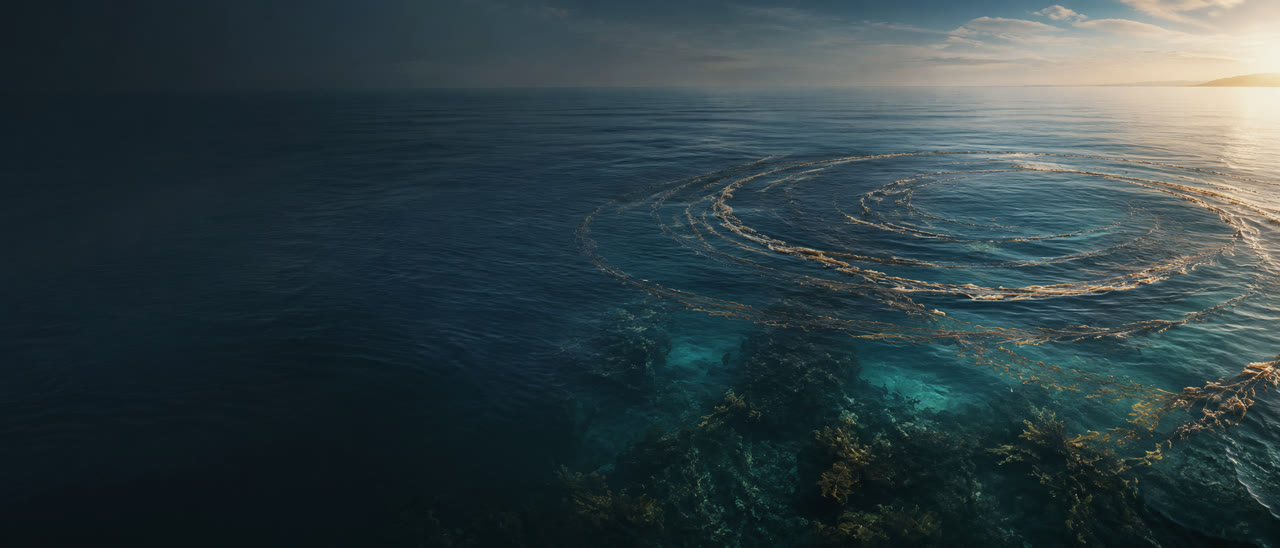
Salacia valorises an under-used marine resource, reduces dependence on fossil fuels and builds a circular model in which every output is reused rather than discarded.

Salacia was founded on a simple conviction: ecology and economic growth are not opposing forces. They can - and must - be reconciled through better industrial systems and better energy models.
Salacia - Sustainable Solutions was founded in France in 2025 by engineers François-Melchior Le Tourneau and Oscar Paetzold, driven by the belief that ecology and economic growth can be reconciled through better industrial systems and better energy models.
The founding vision emerged from a deeper analysis of how modern economies function. Durable economic development remains inseparable from access to abundant, reliable energy - yet fossil fuels still occupy a disproportionate and unsustainable place in that equation.
The founders investigated alternatives, including conventional biomass, before identifying the structural limits of terrestrial biomass: land-use constraints, competition with agriculture, and limited scalability. That analysis led them to a strategic resource far larger and far less exploited - marine biomass.
From that insight, Salacia was established to develop a new generation of sustainable solutions capable of producing renewable energy and low-impact materials, while supporting industrial competitiveness, ecological responsibility, and greater national and regional sovereignty - especially for France and the European Union.
Salacia valorises an under-used marine resource, reduces dependence on fossil fuels and builds a circular model in which every output is reused rather than discarded.
Produce renewable fuels compatible with existing infrastructure, preserving industrial competitiveness while accelerating the energy transition.
Restore strategic autonomy to critical sectors - particularly in France and the European Union - through a locally integrated supply chain.
Salacia’s target ecosystem spans partners and future customers across decarbonization-critical sectors.
| Year | ReFuelEU minimum | Synthetic-fuel minimum | Reported SAF share |
|---|---|---|---|
| 2024 | – | – | 0.6 |
| 2025 | 2 | 0 | 0.6 |
| 2030 | 6 | 0.7 | – |
| 2032 | 6 | 1.2 | – |
| 2034 | 6 | 2 | – |
| 2035 | 20 | 5 | – |
| 2040 | 34 | 10 | – |
| 2045 | 42 | 15 | – |
| 2050 | 70 | 35 | – |
The engineers building Salacia - from co-founders driving strategy and technology to the process engineering expertise advancing the work toward scale.
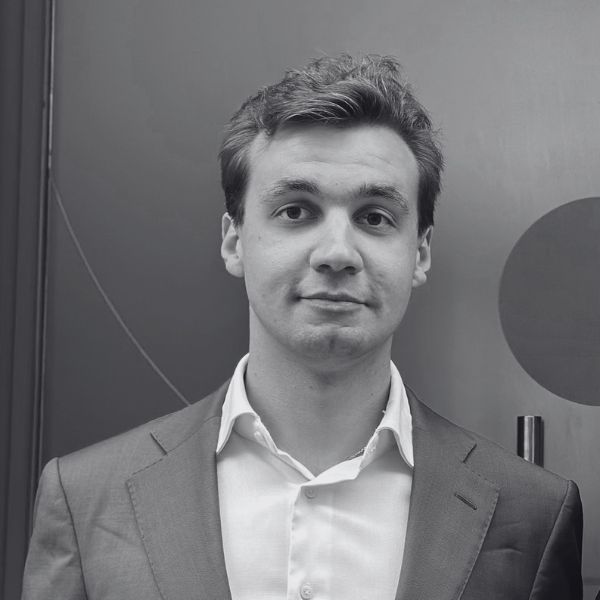
Co-founder & CEO
Co-founder of Salacia, François-Melchior drives strategy, fundraising, and partnerships, translating the company's industrial vision into structured execution.
LinkedIn
Salacia is supported by senior advisors whose experience shapes the company’s industrial strategy, governance, and long-term positioning.
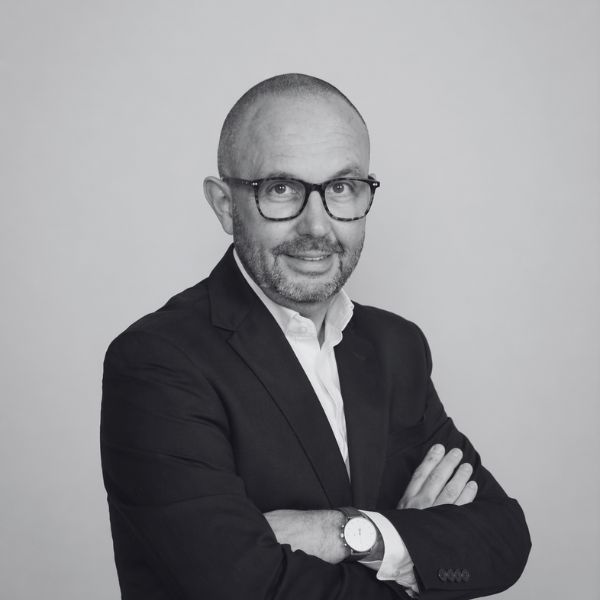
Co-Founder & Advisor · Industrial Strategy & Governance
Advises Salacia on industrial strategy, governance, and long-term positioning in the energy transition ecosystem.
LinkedIn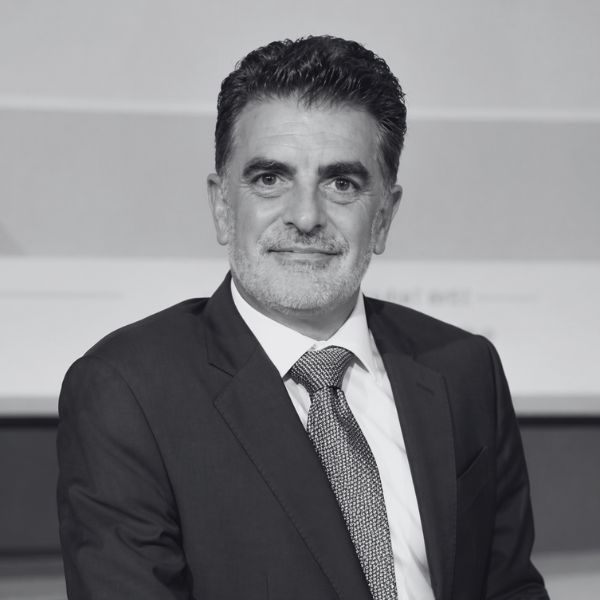
Advisor · Executive Leadership & Partnerships
Brings senior executive experience to guide Salacia through its scale-up phases and industrial partnerships.
LinkedIn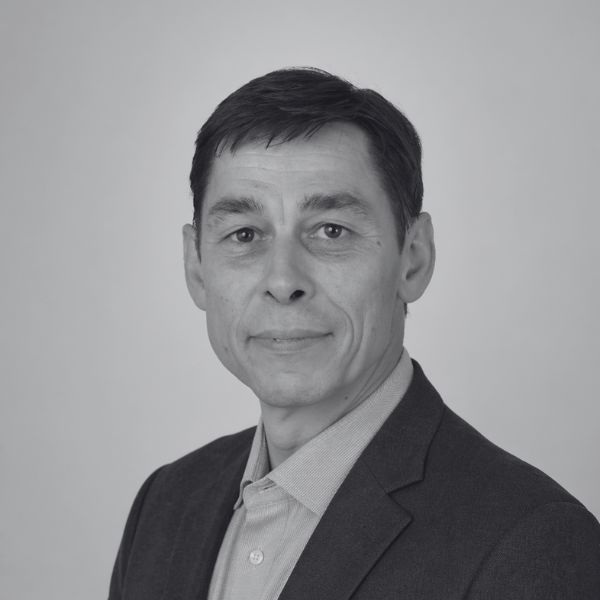
Advisor · Energy & Industrial Development
Contributes deep expertise to Salacia's development strategy and the structuring of its industrial roadmap.
LinkedIn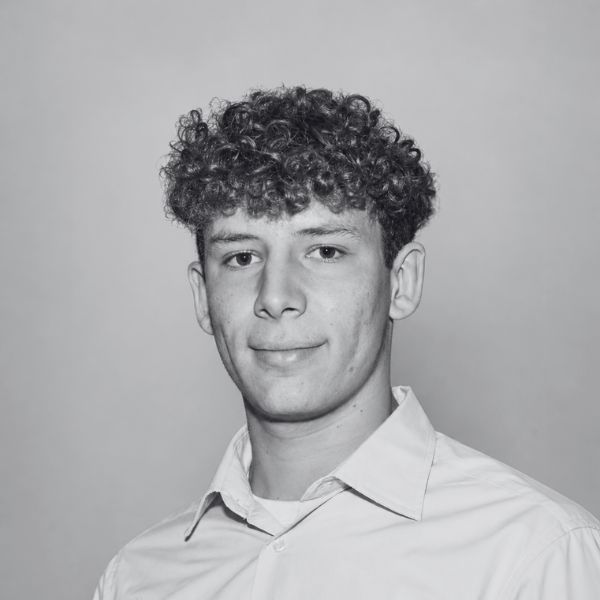
Advisor · Sustainable Aquaculture & Biomass Systems
Expert in sustainable aquaculture and aquaponics, advises Salacia on aquatic production systems and biomass valorization.
LinkedIn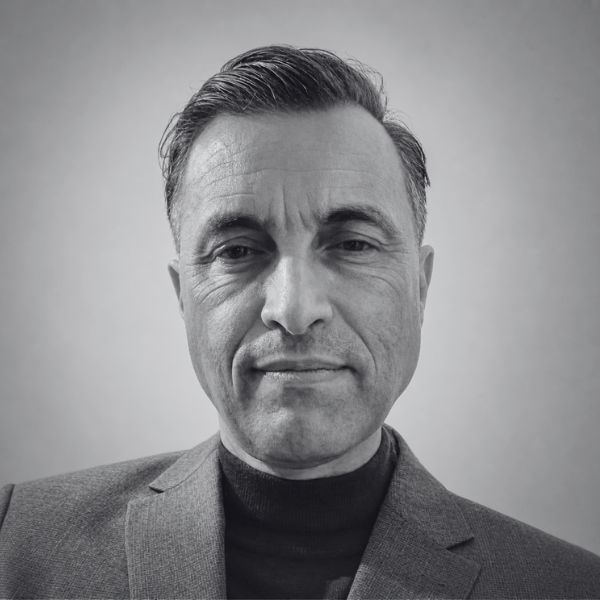
Advisor · Digital Twins & Sustainable Infrastructure
Advises Salacia on digital twins, autonomous systems, infrastructure, and Net Zero strategy to scale resilient biomass solutions.
LinkedIn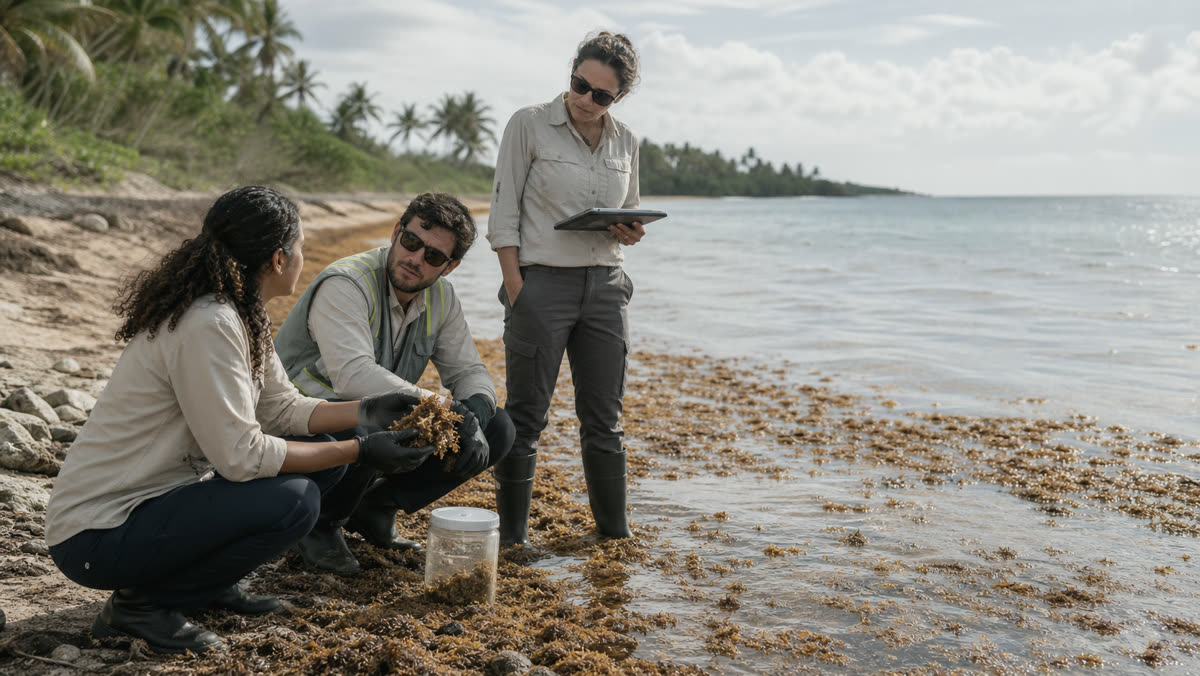
A scalable, circular industrial model designed to restore resilience and autonomy to strategic sectors.